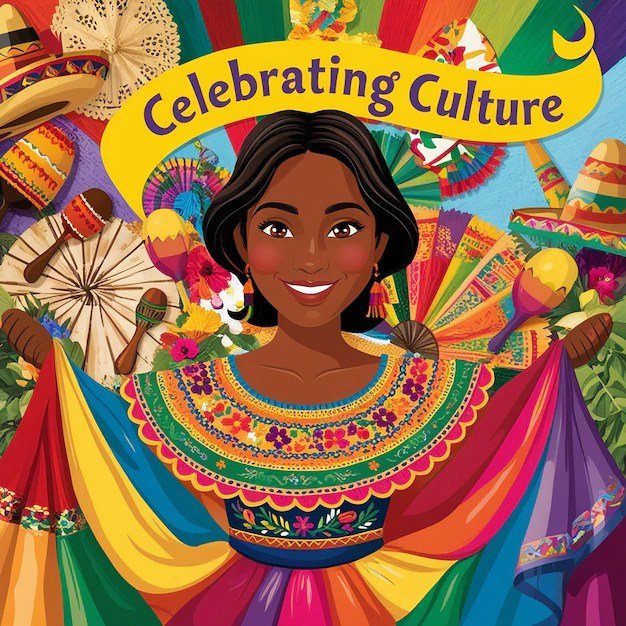
Every individual carries an unseen tapestry, woven from the threads of their ancestors, their community, and the collective wisdom passed down through time. This rich, often invisible force is your Legacy & Cultural Impact, an enduring imprint that doesn't just decorate your life but fundamentally shapes who you are, what you believe, and how you navigate the world. It's the silent narrator of your story, dictating everything from your language to your ambitions, echoing through generations.
At a Glance: Understanding Your Cultural Blueprint
- Invisible Architect: Cultural legacy subtly molds your identity, values, and beliefs.
- Multi-generational Transmission: Passed down through family, religion, societal norms, and education.
- Language is Key: A powerful vessel for history, values, and a broader worldview.
- Global Evolution: Exposure to other cultures blends traditions, fostering adaptability.
- Identity & Belonging: Provides a strong sense of self-esteem, pride, and connection.
- The Balancing Act: Requires harmonizing inherited values with personal growth and contemporary norms.
- Dynamic, Not Static: Legacy is preserved and innovated through education, dialogue, and adaptation.
The Invisible Threads That Bind Us: Decoding Cultural Inheritance
Think for a moment about your daily life. The foods you crave, the holidays you celebrate, the way you greet elders, or even your approach to personal space – these aren't random preferences. They're deeply rooted expressions of your cultural legacy. This inheritance is an "invisible force," a powerful, unspoken curriculum that teaches you what is acceptable, what is taboo, and how to relate to the world around you.
It's transmitted across generations not through DNA, but through a constant, immersive stream of traditions, customs, language, and social norms. From the cradle, you absorb a complex framework encompassing everything from the language you speak to the arts you appreciate, the cuisine that comforts you, and the etiquette that guides your interactions. This shapes your approach to relationships, career choices, and even personal growth, often instilling ideologies like collectivism (prioritizing group harmony) or individualism (emphasizing personal autonomy). Understanding this isn't just an academic exercise; it's a profound journey into self-discovery.
Language: The Heartbeat of Heritage and Identity
Language isn't merely a tool for communication; it's a living archive, a repository of history, values, and collective identity. It carries the nuances of humor, the depth of poetry, and the wisdom of proverbs unique to a culture. The very structure of a language can reflect how a culture perceives time, relationships, and the world itself.
For those with bilingual or multilingual upbringings, this inheritance offers an even broader perspective. Speaking multiple languages often means inheriting multiple ways of thinking, viewing problems, and relating to others. It’s like having access to several operating systems for the mind, each offering unique insights and fostering a more adaptable, open-minded outlook. Just as the first generation iPod revolutionized how we consumed music, profoundly impacting a generation's cultural habits, language profoundly shapes our inner world and how we experience culture, acting as the fundamental interface.
The Cradle of Identity: How Upbringing Imprints Culture
Your identity, from your earliest memories, is a mosaic built upon the bedrock of cultural transmission. The primary architects of this intricate structure are often found closest to home, but their work is reinforced by broader societal systems.
Family's Foundational Role
Your family unit acts as the initial and most potent cultural classroom. Before you learn to read, you're learning the "language" of your family's culture through daily rituals. Storytelling around the dinner table, participating in religious practices, or celebrating holidays specific to your heritage—these aren't just events; they're profound lessons. They pass down historical narratives, reinforce values, and create a shared sense of belonging that roots you firmly in your lineage.
Moral Compasses & Spiritual Guides
For many, religious and moral teachings form a significant component of their cultural inheritance. These frameworks often dictate core values, provide ethical guidelines, and shape social conduct. They can influence everything from dietary restrictions to rites of passage, approaches to marriage, and beliefs about community responsibility. These teachings provide a moral compass, guiding individuals in making choices and understanding their place within the broader cultural fabric.
Societal Echoes: Norms & Expectations
Beyond the immediate family, broader societal norms and expectations subtly but powerfully shape individual behavior. These unspoken rules dictate appropriate dress, communication styles, and even how ambition is perceived. In some cultures, deferring to authority is paramount; in others, questioning it is encouraged. These norms influence how you approach leadership roles, build relationships, and navigate professional environments, often without conscious thought. They are the background music to your social life, setting the rhythm for interaction.
Opportunity & Aspiration: Education and Economic Background
The cultural emphasis on education significantly impacts individual aspirations and achievements. Cultures that prioritize learning often produce individuals who deeply value knowledge, academic excellence, and continuous self-improvement. Similarly, a community's economic conditions and opportunities influence what is deemed possible or aspirational. A culture rich in entrepreneurship might foster different career paths than one historically reliant on traditional craftsmanship, molding individual ambitions from an early age.
Cultural Currents in a Globalized Sea: Evolution and Blending
In our increasingly interconnected world, cultural inheritance is far from static. Exposure to different cultures—through travel, media, and technology—acts as a powerful catalyst for evolution. This interaction often leads to a fascinating blending of traditions, creating new forms of expression, cuisine, and social norms. Think about fusion restaurants, the global spread of music genres, or international fashion trends; these are all testaments to culture's dynamic nature.
This cross-pollination can foster adaptability and open-mindedness, encouraging individuals to appreciate diverse perspectives. However, globalization also presents challenges. There's a constant tension between preserving traditional customs and embracing new influences. For younger generations, this can create a unique pressure: how to honor inherited values while simultaneously navigating contemporary norms and the diverse world around them. It's a delicate dance between fidelity to the past and relevance for the future.
Recognizing this, communities, organizations, and governments actively strive to preserve heritage. Through vibrant festivals, robust language programs, and cultural education initiatives, they work to ensure that valuable traditions are not lost to the currents of change. As Neerja Raman wisely states, "Your cultural legacy is the enduring impact you make on the artistic and social fabric of your community and beyond." It’s a call to both preserve and contribute.
The Deep Resonance: Psychological & Emotional Dimensions
The impact of your cultural legacy extends far beyond mere behaviors; it resonates deep within your psyche and emotions. A strong cultural identity can be a powerful source of comfort and strength. It provides a profound sense of belonging, a feeling of being connected to something larger than oneself, which is fundamental to human well-being. This connection fosters self-esteem, instills pride in one's heritage, and cultivates confidence in navigating the world with a unique perspective. It tells you where you come from, anchoring you in a rich history.
However, the very force that provides comfort can also exert pressure. Rigid cultural expectations, particularly in rapidly changing societies, can create significant internal conflict. Individuals may struggle to reconcile deeply ingrained traditional values with personal aspirations or contemporary societal norms. This delicate balance requires respecting heritage while simultaneously fostering individual growth and self-determination. It's about finding the space to honor your roots without feeling confined by them.
Cultivating Tomorrow: Embracing and Redefining Your Cultural Legacy
Your cultural inheritance is not a rigid decree from the past, but a living, breathing entity. You have the power to engage with it, redefine it, and actively contribute to its ongoing evolution. This dynamic process ensures that legacy remains relevant and enriching for future generations.
Encourage Cultural Education
One of the most effective ways to foster appreciation for cultural diversity and ensure the longevity of heritage is through education. Emphasizing history, traditions, and the contributions of various cultures in schools and public programs develops a foundational understanding and respect. It’s about equipping individuals with the knowledge to understand their own legacy and appreciate others', moving beyond superficial differences to recognize shared humanity.
Promote Cross-Cultural Dialogue
Active interaction with people from diverse backgrounds is crucial. Cross-cultural dialogue fosters mutual understanding, breaks down stereotypes, and promotes inclusivity. Engaging in conversations about different customs, beliefs, and life experiences enriches your perspective and highlights the common threads that connect humanity, even amidst vast cultural differences. These exchanges are where new traditions are often born and old ones find new meaning.
Balance Tradition with Individuality
True legacy isn't about blind adherence; it's about respectful engagement. Allowing individuals the freedom to question, interpret, and even redefine cultural norms is essential for personal growth and societal vitality. This means creating spaces where innovation is welcome, where traditions can be re-imagined or adapted to fit contemporary contexts without losing their essence. It's about empowering people to forge their own paths while honoring the journey that brought them there.
Preserve and Innovate Cultural Practices
Preservation isn't just about archiving; it's about keeping traditions alive and relevant. This often involves finding innovative ways to engage with them. Digital storytelling can bring ancient myths to life for a new generation. Modern interpretations of traditional arts, music, or cuisine can introduce heritage to wider audiences. By embracing technology and creativity, we ensure that cultural practices continue to evolve and inspire, rather than becoming relics of the past. It’s a testament to the idea that legacy thrives on both continuity and change.
Your Enduring Story: Shaping the Legacy You Leave
Your cultural legacy provides the invaluable foundation for your values, beliefs, and social interactions, offering a profound sense of identity and continuity. It's a gift that connects you to an endless chain of human experience. But it's also a living testament to humanity's adaptability.
In a world that is constantly changing, the most powerful aspect of cultural legacy is its ability to evolve. It invites you to be an active participant in its journey, to question, to innovate, and to contribute your unique chapter to an ongoing story. By embracing your heritage with both reverence and an open mind, you not only honor those who came before you but also consciously shape the rich, enduring legacy you will leave for generations yet to come. It’s a profound responsibility and an incredible opportunity.