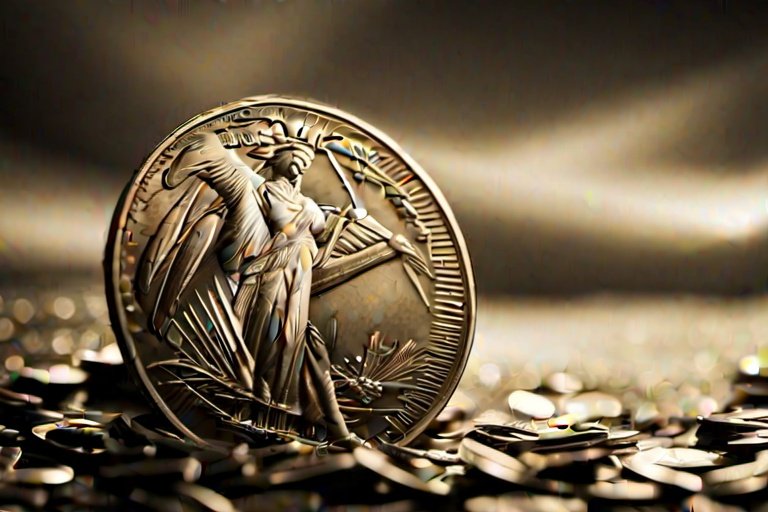
There's a unique thrill in holding a piece of history in your hand, especially when it’s an old coin. Perhaps you’ve inherited a jar full of them, rediscovered a childhood collection, or simply stumbled upon a curious piece. The journey from "old coin" to "valuable artifact" often begins with a fundamental question: What is this worth? Navigating the intricate world of Collecting & Valuation can seem daunting, but it’s a journey that reveals stories, artistry, and significant monetary potential. This guide will demystify the process, equipping you with the knowledge to assess your coins like a seasoned numismatist.
At a Glance: Your Quick Valuation Roadmap
- Prep Your Workspace: Ensure good lighting, a soft surface, and a magnifier.
- Sort & Identify: Group coins by series, then by date and critical mint marks.
- Master Grading Basics: Learn to assess condition (Mint State, Extremely Fine, Fine, Good) — it's the biggest value driver.
- Spot Special Qualities: Understand how toning, damage, and visual appeal impact value.
- The Golden Rule: Never clean your coins. Originality is paramount.
- Use Price Guides Wisely: View them as a reference, not an absolute. Market factors always play a role.
- When in Doubt: Consult a professional for rare or high-value pieces.
The Allure of the Age-Old: Why We Collect Coins
For many, collecting coins isn't just about monetary value; it's a tangible link to the past. Each coin tells a story, reflecting the economy, politics, and artistic sensibilities of its time. From the stoic profile of a Roman emperor to the intricate engravings of a modern commemorative, coins are miniature historical documents. This passion drives a global community, eager to preserve and understand these metallic messengers. The fascinating history of coinage itself is a rich tapestry, and every collector becomes a part of its ongoing narrative.
But beyond the historical romance lies the practical aspect: valuation. Knowing what your coins are worth transforms them from mere curiosities into assets, or at least helps you understand their place in the broader numismatic world.
Beyond Sentimental Value: What Makes a Coin "Valuable"?
So, what truly determines a coin's worth? It's a blend of several key factors, often summarized by the acronym "CCDR":
- Condition: This is arguably the most critical factor. A pristine coin will almost always be worth significantly more than a heavily circulated one, even if they share the same date and mint mark.
- Circulation (or Rarity): How many of these coins were minted? How many survived over time? Scarcity drives demand and, consequently, value.
- Demand: Is this particular coin or series popular among collectors? Trends, historical significance, and aesthetic appeal all influence demand.
- Retailer (or Market Factors): The specific dealer, auction house, and even the current economic climate can affect the price realized.
Understanding these elements forms the bedrock of accurate coin valuation.
Your Valuation Toolkit: Setting Up for Success
Before you dive into examining your collection, set yourself up for success. A proper workspace ensures you can handle your coins safely and assess them accurately.
- Clear, Organized Workspace: Designate a clean, flat area. This prevents coins from rolling away and provides ample room to sort.
- Soft Surface: Place a soft cloth, felt pad, or even a folded towel on your work surface. If a coin slips, it won't be damaged.
- Good Lighting: A single, strong light source (like a desk lamp with a daylight bulb) is ideal. Overhead room lighting can create distracting shadows. Position the light to shine at an angle to highlight surface details and wear.
- Magnifier (Loupe): A 5x to 10x magnifier is indispensable for examining small details like mint marks, subtle wear, and potential damage. Numismatic-specific loupes are best, but a jeweler's loupe works well too.
- Cotton Gloves (Optional but Recommended): While handling by the edges is key, cotton gloves add an extra layer of protection, preventing natural oils from your skin from transferring to the coin and causing discoloration.
The Four Pillars of Coin Valuation: A Step-by-Step Process
With your workspace ready, you can begin the systematic process of valuing your collection. Take your time; rushing can lead to mistakes or damage.
Pillar 1: Sorting Your Treasures by Series and Type
The first step is to bring order to your collection. Think of it like organizing a library: you wouldn't mix novels with non-fiction.
- Group Like with Like: Separate your coins into their respective series. For example, all Lincoln Cents together, all Jefferson Nickels together, all Indian Head Cents together, all Buffalo Nickels together. This makes subsequent steps much easier.
- Understand Coin Designs: Familiarize yourself with common US coin series. Lincoln Cents have Lincoln on the obverse, Jefferson Nickels have Jefferson, etc. This basic recognition is your starting point.
Even if you only have a few coins, this initial sorting helps you understand the different types you possess.
Pillar 2: The Devil's in the Details: Date and Mint Mark Identification
Once your coins are sorted by series, you'll need to delve into the specifics of each one.
- Identify the Date: This is usually the most prominent piece of information on the coin. It tells you when the coin was struck.
- Locate the Mint Mark: This small letter, often found on the reverse (back) or sometimes the obverse (front) of the coin, indicates where the coin was minted.
- "S": San Francisco Mint
- "D": Denver Mint
- "P": Philadelphia Mint (often no mark for Philadelphia on older coins, or just a "P" on newer ones).
- "W": West Point Mint (primarily on commemorative coins and special issues).
- Why Mint Marks Matter: Coins from certain mints, especially in specific years, can be significantly rarer than those from other mints. A 1909-S VDB Lincoln Cent, for instance, is far more valuable than a 1909 (Philadelphia) VDB due to its lower mintage and high demand. A small "D" or "S" can make a world of difference.
Arrange your coins within each series first by date, and then by mint mark. You'll quickly see patterns and identify potential key dates.
Pillar 3: The Art and Science of Coin Grading (Condition is King)
This is where the true detective work begins. Coin grading is the process of assessing a coin's condition, which is the single most influential factor in its value. It takes time, practice, and a keen eye.
The Golden Rule Revisited: Never, Ever Clean a Coin!
This cannot be stressed enough. A common misconception is that cleaning an old coin will make it look better and therefore more valuable. The opposite is almost always true. Cleaning—even gently—removes the original patina, surface details, and often leaves microscopic scratches or residues that are immediately detectable by experts. An "original" coin, even a dirty one, will always be worth more than a cleaned one. Hold coins only by their edges to prevent oils from your fingers from damaging the surface. If a coin is already in a protective holder, leave it there during your initial assessment.
Understanding Basic Grade Levels:
Coin grades use a numerical scale (1-70), but for personal valuation, understanding the broader descriptive categories is a great start. Compare your coin against known images or descriptions of these grades.
- Mint State (MS): This category describes coins that have no trace of wear from circulation. They look as fresh as the day they left the mint. Within MS, coins are further graded (MS-60 to MS-70) based on bag marks, luster, and strike quality. This is where coins command the highest premiums.
- Extremely Fine (EF or XF): These coins show only slightest wear on the highest points of the design. All major details are sharp and clear, with only minor flattening. Luster may be visible in protected areas.
- Fine (F): A coin in Fine condition shows moderate, even wear across the surface. Many of the finer details will be flattened, but the main design elements remain clear. The rim is generally full.
- Good (G): Coins graded "Good" are heavily circulated. The design elements are worn down to outlines, with most fine details lost. The lettering might be weak but legible. The rim may be worn into the design in places. This is often the lowest collectible grade.
The Grading Process in Practice:
- Examine the Obverse: Look at the highest points of the design (e.g., the hair on a portrait, the eagle's breast feathers). Are they worn flat, or do they still show detail?
- Examine the Reverse: Repeat the process for the coin's back.
- Check the Fields (Flat Areas): Look for scratches, dings, or other post-mint damage.
- Assess Luster: For uncirculated coins, how much original cartwheel luster remains?
- Compare, Compare, Compare: Use online visual grading guides or numismatic books with detailed images for each grade level. This is where practice makes perfect.
Once you've sorted by series and date/mint mark, group your coins further by their estimated condition. This is a critical, time-consuming step, but it unlocks the most significant value information.
Pillar 4: Beyond the Basics: Special Qualities That Elevate or Demolish Value
Condition is paramount, but other characteristics can significantly swing a coin's appeal and price.
- Toning: This refers to the natural oxidation or chemical change in a coin's metal over time, resulting in a colored patina.
- Good Toning (Cabinet Toning): Natural, even, and aesthetically pleasing colors (rainbow hues, deep blues, purples) can greatly enhance a coin's visual appeal and value, especially for certain series. This is often a sign of proper, long-term storage.
- Bad Toning: Splotchy, uneven, dull, or dark black toning can be unattractive and decrease a coin's value. This often results from poor storage conditions.
- The key is "visual appeal." Does the toning enhance the coin's look, or detract from it?
- Damage: Any form of post-mint damage almost always reduces a coin's value, often dramatically.
- Circulation Damage: Dings, scratches, and abrasions from being handled and spent. These are generally factored into the grade.
- Environmental Damage: Corrosion, pitting, or residue from exposure to harsh chemicals, moisture, or extreme temperatures.
- Artificial Damage: Cleaning (as discussed), deliberate alteration, mounting in jewelry (which often involves soldering or drilling holes). Holes, heavy abrasions, or bent coins are significantly devalued.
Ultimately, "visual appeal" is the guiding principle. Anything that makes a coin look less original, less attractive, or less intact will negatively impact its value.
The "Golden Rule" of Coin Care: Preserve, Don't Polish
We've touched on this multiple times, but it bears repeating: the most crucial aspect of coin care and valuation is preservation. Your goal isn't to make an old coin look new, but to maintain its originality.
- No Cleaning: Seriously, just don't do it. No polishes, no abrasive cloths, no harsh chemicals, no "miracle" solutions. Even a soft cloth can leave hairline scratches.
- Handle by the Edges: Always hold coins between your thumb and forefinger, gripping the rim. Avoid touching the obverse or reverse surfaces.
- Soft Surface for Inspection: Always evaluate your coins over a soft cloth or pad to cushion any accidental drops.
- Proper Storage: Once evaluated, store your coins in archival-safe holders. Mylar flips, non-PVC plastic holders, or rigid plastic slabs are excellent choices. Avoid cheap vinyl flips which contain PVC and can leach chemicals that damage coins over time.
Following these simple rules protects your investment and preserves the historical integrity of your collection.
Navigating the Market: Understanding Coin Price Guides
Once you have a good grasp of your coins' series, date, mint mark, and condition, you'll naturally want to know their actual market value. This is where price guides come in, but they must be used with a nuanced understanding.
What Are Price Guides?
Price guides, like the well-respected NGC (Numismatic Guaranty Corporation) Price Guide, compile data to offer an estimate of a coin's retail value. They serve as a crucial reference point for both buyers and sellers.
The NGC Price Guide Example:
The NGC US Coin Price Guide aims to provide average retail prices for certified coins. These prices are derived from a vast pool of actual transactions, collector input, dealer data, and auction results for NGC-certified coins. It reflects coins in their standard NGC holders with standard labels, unless specifically noted for special holders.
Important Caveats & Nuances When Using Price Guides:
- Market Fluctuations: Coin prices are dynamic. They can vary significantly between dealers, auction houses, and even daily, influenced by:
- Short-term Price Trends: The market for a specific coin can heat up or cool down rapidly.
- Visual Appeal (Eye Appeal): A coin that is exceptionally beautiful for its grade (e.g., strong strike, attractive toning) will often command a premium over a "typical" example of the same grade.
- Trading Frequency: Highly liquid coins might have more stable pricing, while rare coins can see wider swings based on limited sales data.
- Special Characteristics: Varieties, errors, and unique provenances can drastically alter value beyond standard grades.
- Market Availability & Demand: Simple supply and demand economics.
- Precious Metal Spot Price: For coins with significant precious metal content (e.g., gold or silver), the fluctuating spot price of precious metals can be a major factor in their base value.
- Updates and Volatility: Price guides are updated periodically, but they may not capture real-time, volatile price movements, especially for highly sought-after rarities.
- One of Many Factors: These prices are one measure among many. They are not absolute dictates but rather a starting point for negotiation and understanding.
- No Replacement for Due Diligence: The NGC (and any reputable guide) will explicitly state that their prices are not a substitute for thorough research, careful inspection, and, if necessary, expert consultation.
- Certified Coins: The prices often refer to professionally graded and authenticated coins (like those in an NGC slab). Raw (uncertified) coins, even if in similar condition, typically trade at a discount due to the lack of third-party verification.
Think of a price guide as a weather report: it gives you a good idea of what to expect, but local conditions (a particular dealer, an urgent buyer, a unique coin) can always create microclimates. Exploring rare coin investments often requires a deeper dive into market trends than a basic price guide can offer.
Ready to Take the Next Step? When to Seek Expert Help
While DIY valuation is a fantastic learning experience, there comes a point where professional expertise is invaluable.
- For High-Value or Rare Coins: If you suspect a coin is genuinely rare, historically significant, or could be worth hundreds or thousands (or more), invest in professional grading and authentication from a reputable third-party grading service like NGC or PCGS. Their assessment provides an unbiased, standardized grade and guarantees authenticity, which greatly enhances market liquidity and value.
- For Large Collections: If you've inherited a substantial collection and feel overwhelmed, a professional numismatist or appraiser can help you understand its overall scope and identify key pieces worth further attention.
- For Buying and Selling: Reputable coin dealers can offer expert advice, help you find specific coins, or assist in selling your collection. They have a deep understanding of market nuances that even the best price guides can't fully capture. Connecting with local numismatic societies can also lead you to trusted experts and a supportive community.
Your Journey Continues: Beyond the Initial Appraisal
The world of coin collecting is vast and endlessly fascinating. Your initial steps into valuation are just the beginning of a rewarding journey. As you learn to identify, grade, and understand market dynamics, you'll develop a deeper appreciation for these metallic masterpieces.
Remember, every coin holds a story, and you're now equipped to understand a significant part of it. Whether you decide to sell your newfound treasures, preserve them for future generations, or dive headfirst into the hobby, your knowledge of Collecting & Valuation will serve as your compass. Continue to read, observe, and engage with the numismatic community. Who knows what other historical artifacts you might encounter along the way—perhaps even something as iconic as the original iPod in a different collecting niche, but with similar principles of condition, rarity, and demand influencing its value. The principles of careful preservation and informed assessment apply across many fields of collecting. You might even find yourself delving into advanced coin preservation techniques to ensure your collection stands the test of time.